


sharing is caring
We talk a lot about green buildings, zero-waste breakfast buffets and eco-friendly amenities – but did you know that also your hotel’s website can be sustainable?
It might not be THE main cause of your carbon footprint, but from oversized files to inefficient hosting, the way your website is built and maintained can either contribute to the problem – or become part of the solution.
The good news? A sustainable website doesn’t mean compromise. It means clarity, speed, better accessibility – and a digital presence that reflects your values.
Here are the key elements of a climate and social-conscious website:
A lighter website consumes less data and energy – good for both the planet and your guests’ experience.
How?
The result: faster loading times, lower emissions and a better user experience. A true win-win.
Where your website is hosted matters. Opt for providers that run on 100% renewable energy or at least have transparent carbon offset policies. Look for green certifications or providers listed by organisations like The Green Web Foundation.
Minimalist design isn’t just beautiful – it’s efficient:
All of this helps to reduce energy consumption and increase usability. Plus, simplicity improves conversion and guest satisfaction.
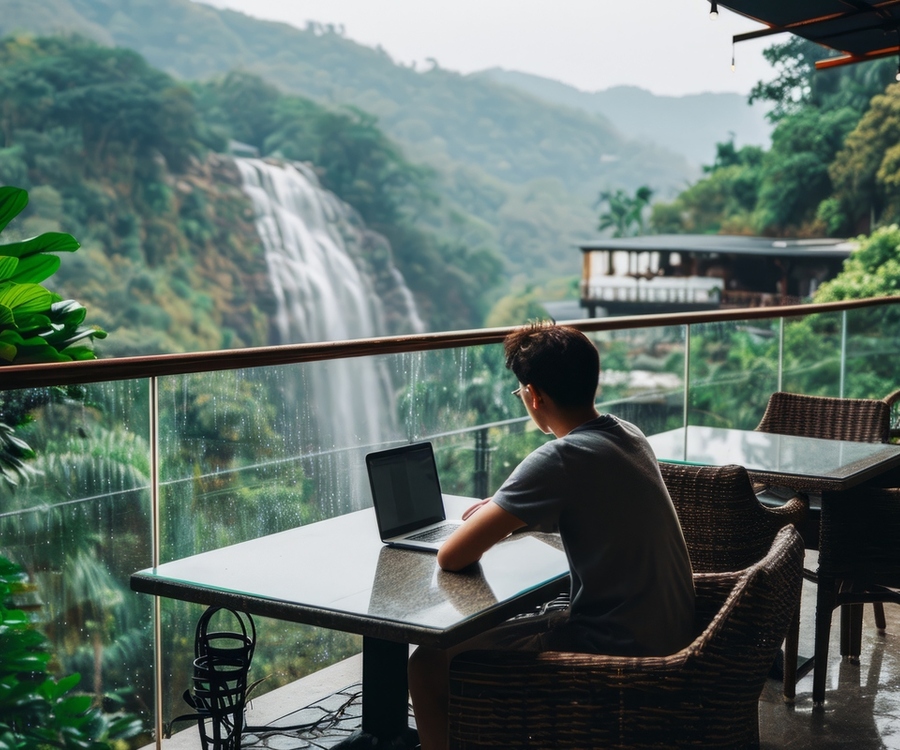
Every piece of content you publish uses up energy. So ask yourself: Does it need to be there?
Long videos, endless image galleries and autoplay features let emissions soar. Prioritise:
Bonus: sustainability-focused content builds trust with like-minded travellers.
A sustainable website reaches out to everyone — visually and verbally.
For visuals:
For language:

Tools like Website Carbon Calculator or Ecograder can help you track your site’s footprint. Measure, then improve – just like you would with any other part of your sustainability strategy.
For hotels, a sustainable website isn’t just technical – it’s part of the guest journey. It’s the first impression. A fast, green, values-aligned website says: we care.
It can also become a powerful storytelling tool. Use it to highlight your initiatives, engage responsible travellers, and demonstrate your commitment – not just at your premises, but in your pixels. Take inspiration from the Príncipe Collection website, which was planned, designed and programmed by MAp.
Sustainability isn’t just something you install – it’s something you live, breathe and design for. That includes your digital space.
Creating a sustainable hotel website is a practical step towards a lower-impact future – and a smarter, more engaging experience for your guests. It shows that your commitment goes beyond the obvious. It’s thoughtful, intentional, and woven into every detail – including your pixels. ☻
This is what it means to MAp out a better future.
This free template will guide you through each step in order to piece together your unique and authentic hotel sustainability story. It also includes an overview of the 10 Principles of Sustainable Communication.

 ke time for prosecco ke it happenke it meaningfulke good coffeeke it matterke funny jokeske it kindke it simpleke it count
Sign up for the MAp newsletter for practical insights on hotel branding, marketing, and sustainability, plus fresh thinking from our projects and new tools from our sustainability platform. Let’s move #onwards together.